Keeping Track of Seasonal Change: Phenology Journal vs. Timed Photo Series
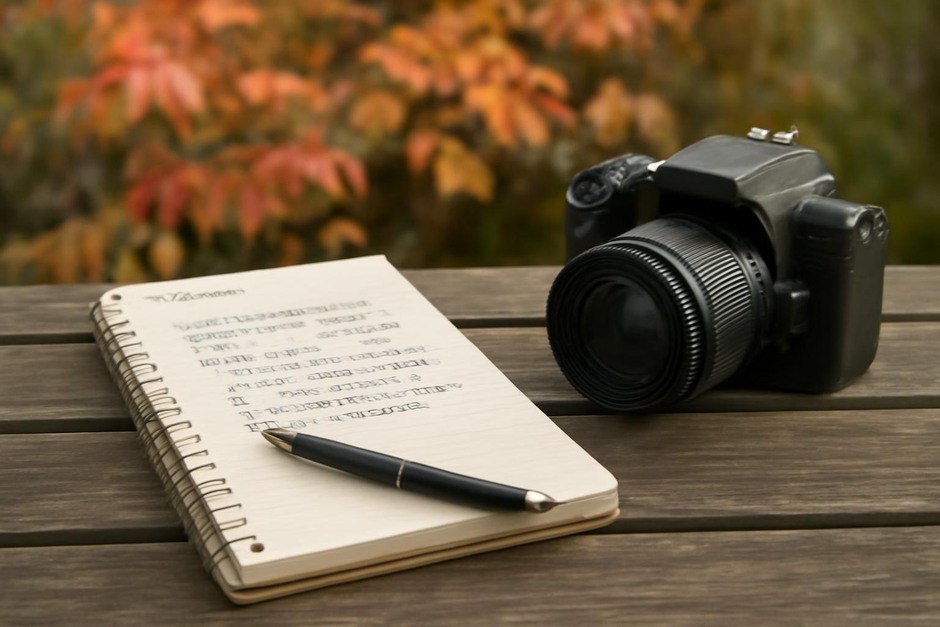
Observing seasonal change is a quiet practice that sharpens attention and deepens connection to place. Two low-cost, low-tech approaches work well in a domestic setting: keeping a phenology journal (written observations) and creating a timed photo series (regular photographs from fixed points). Below is a practical comparison of these approaches followed by guidance to help you choose one that fits your habits, interests, and the time you can commit.
Approach 1: Phenology Journal (Written Observations)
A phenology journal is a dated, qualitative record of natural events: first flowering, leaf drop, arrival or departure of birds, insect activity, frost dates. It’s essentially field notes tailored to your location.
How to do it
- Choose a simple notebook or binder and write the date at the top of each entry.
- Visit the same outdoor spot at regular intervals (daily, weekly, or biweekly).
- Note weather (temperature range, rain), visible plant changes (buds, blooms, leaf color), and animal signs (song, tracks, nests).
- Sketch quick diagrams or press a leaf between pages for tactile records.
- Tag repeating events over the years to spot patterns (e.g., “first frog chorus – March 26”).
Strengths
- Flexible: You can adapt focus to plants, birds, insects, or all three.
- Context-rich: Words capture nuance—behavior, scent, and conditions that a photo might miss.
- Low-tech and portable: No need for batteries or special equipment.
Limitations
- Requires consistent writing; gaps reduce long-term value.
- Harder to share visually or to quantify change without extra work (dates, counts).
Approach 2: Timed Photo Series (Fixed-Point Photography)
Timed photography means taking images from the same vantage point at regular intervals—daily, weekly, or on specific dates—to build a visual chronology of change.
How to do it
- Pick a fixed spot and mark where you stand; choose landmarks or set a tripod to reproduce framing.
- Decide on a schedule (e.g., every Sunday morning, first of each month, or every solstice/equinox).
- Use consistent settings—landscape orientation, same zoom level, and similar time of day to control light differences.
- Store photos in a dated folder and consider making a simple slideshow or contact sheet each season.
Strengths
- Powerful visual evidence: Easy to see growth, color change, and structure over time.
- Shareable: Photos are quick to show friends, family, or a community group.
- Quantifiable: You can measure canopy cover, bloom duration, or snow depth from repeated images.
Limitations
- Requires a camera (a phone works) and habit of returning to take photos.
- Photos capture only what’s visible from that angle; they may miss subtle behaviors or scent-based events.
Choosing Between Them: A Practical Guide
To decide which approach suits you, ask yourself the following questions and use the quick checklist below. You can also combine both methods—short journal notes plus a weekly photo is a powerful hybrid.
- How do you like to record experiences? If you enjoy writing and reflection, a journal will reward you. If you prefer visual records or want to show change to others, choose photos.
- How much time will you realistically spend? Journals can take 5–20 minutes per visit; photos can be faster if you keep the setup simple, but organizing images takes time.
- What are your goals? For behavioral notes (bird song, insect behavior) pick journaling. For clear before-and-after comparisons (bloom progress, leaf color) pick photos.
- Do you want measurable data? Photos lend themselves to measurement. Journals are better for qualitative context but can include counts if you want structured data.
- Do you enjoy tech? If you like editing and creating slideshows, photos will be satisfying. If gadgets feel like a chore, journaling keeps it analog and simple.
Quick decision checklist:
- Prefer writing and reflection → Start a phenology journal.
- Prefer visual storytelling and easy sharing → Start a timed photo series.
- Want both context and visual proof → Combine short notes with regular photos.
- Limited time but consistent habit → Simple weekly photo is lowest friction.
- Enjoy slow observation and discovery → Journal with occasional photos of notable events.
Getting Started This Season
Pick one small area—a garden bed, a row of street trees, or a patch of meadow. Commit to a modest schedule (once a week or twice a month). Keep the first month light: focus on observing rather than perfecting format. Over time, your record will reveal rhythms you would otherwise miss. Whether you end up with a stack of short, handwritten entries or a timeline of images, the practice trains attention and rewards slow noticing.
Choose the method that aligns with how you notice the world, and let the seasons teach you the rest.